By Marcus Thompson · Senior Insurance Analyst
Editorial Independence: This guide was researched and written by our in-house editorial team. We do not accept payment for editorial coverage. Content is reviewed for factual accuracy before publication.
The Ultimate Auto Protection: Navigating Car Insurance & Maximizing Your Savings
For the modern individual, a vehicle is more than just a mode of transportation—it is a gateway to freedom, a tool for livelihood, and often one of the most significant investments one makes. However, the open road carries inherent risks that can jeopardize not only your physical well-being but also your hard-earned financial stability. This is where car insurance steps in, transitioning from a mere legal box to be checked into a sophisticated financial instrument designed to shield you from the unpredictable. Whether you are navigating the bustling streets of a metropolitan hub or cruising through quiet rural landscapes, understanding the nuances of your auto insurance policy is paramount. In an era where a single lapse in judgment or a moment of mechanical failure can result in tens of thousands of dollars in liabilities, being "covered" is not enough—you must be "correctly covered." This comprehensive guide delves deep into the mechanics of car insurance, offering insights that go beyond the surface-level jargon to empower you as a consumer and a driver.
The Historical Context: Why We Insure Our Vehicles
The concept of insuring a motorized vehicle is relatively young, tracing its roots back to the late 19th century. The very first automobile insurance policy was issued in 1897 in Dayton, Ohio, a time when "horseless carriages" were viewed with both awe and suspicion. As the number of vehicles on the road exploded during the 20th century, so did the frequency of accidents. This led to the realization that the potential for property damage and bodily injury was far greater than any individual could typically afford to pay out of pocket.
Over the decades, the industry has evolved from simple liability protection to a complex ecosystem of coverages, including protection against theft, natural disasters, and even the financial shortfalls caused by other uninsured drivers. Today, car insurance is a multi-billion dollar industry powered by actuarial science, big data, and increasingly, artificial intelligence, all working to quantify risk and provide a safety net for millions of drivers worldwide. The transformation from a voluntary safety measure to a mandatory legal requirement has fundamentally changed how we view road safety and financial responsibility.
Decoding the Core Coverage Types
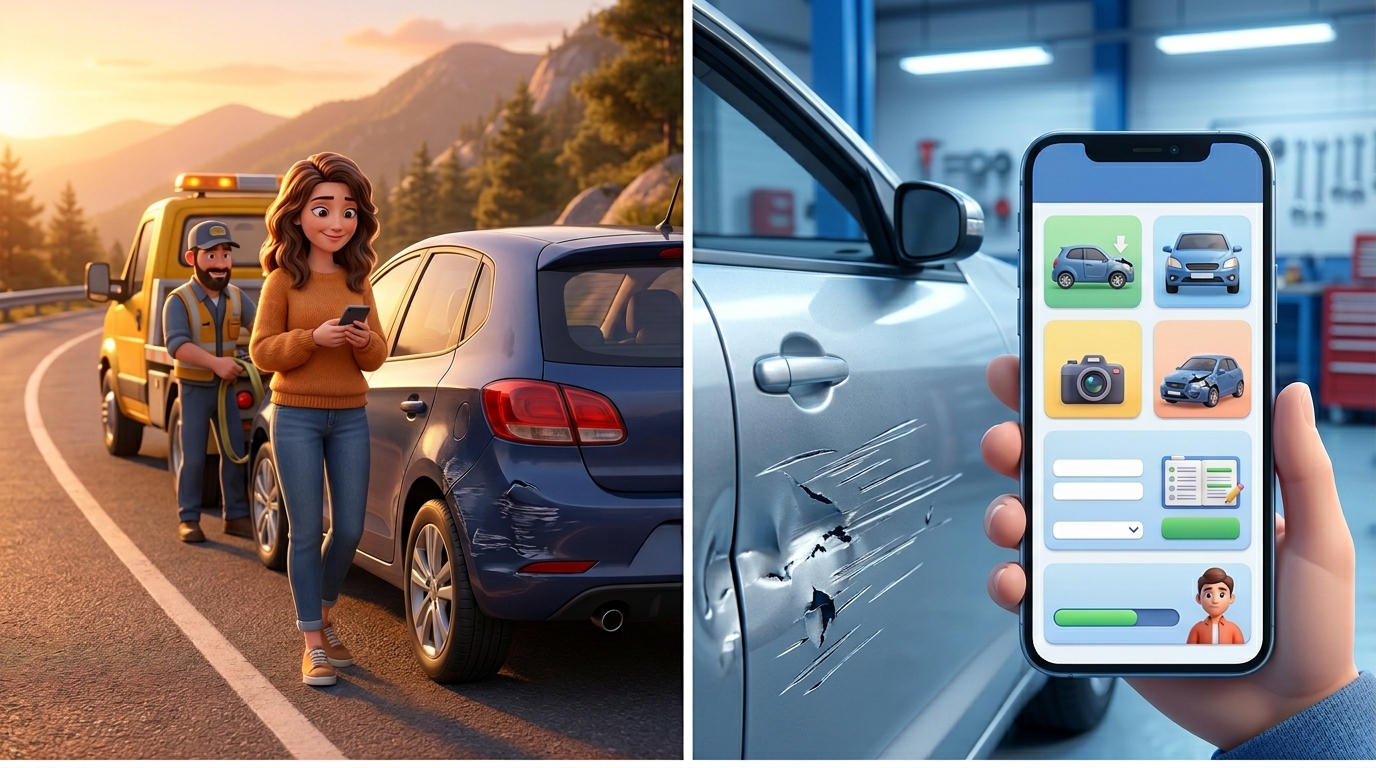
To truly master your car insurance policy, you must understand the "Big Five" types of coverage. Most policies are a "package" of these different protections, tailored to your specific needs and legal requirements.
1. Liability Coverage: The Non-Negotiable Foundation
Liability insurance is the most critical component of your policy because it protects your assets from lawsuits. If you are found at fault in an accident, this coverage pays for the other party's medical bills and property repairs. It is typically split into two parts: Bodily Injury Liability and Property Damage Liability.
Pro Tip: While states mandate minimum limits (e.g., 25/50/25), these are often woefully inadequate. If you cause a multi-car pileup or hit a high-end luxury vehicle, you could easily exceed these limits and be personally responsible for the remainder. Experts recommend limits of at least 100/300/100 for adequate protection.
2. Collision Coverage: Protecting Your Asset
Regardless of who is at fault, collision coverage pays to repair or replace your car if it’s damaged in a crash with another vehicle or object (like a fence or a tree). For owners of newer vehicles or those with an active car loan, this is usually a requirement from the lender. As your car ages and its market value decreases, you may eventually decide that the cost of the premium outweighs the potential payout, at which point you might consider dropping this coverage.
3. Comprehensive Coverage: Protection Beyond Accidents
Often called "Other Than Collision," comprehensive coverage is your shield against the "Acts of God" and external threats. This includes theft, vandalism, fire, hail, floods, and collisions with animals (such as deer). In many parts of the country, comprehensive coverage is essential due to unpredictable weather patterns or high rates of vehicle theft. It provides a level of security that covers the gaps left by collision insurance.
4. Uninsured and Underinsured Motorist (UM/UIM)
Despite legal mandates, a staggering number of drivers operate without any insurance, and many more carry only the bare minimum. If you are hit by one of these drivers, UM/UIM coverage ensures that your medical bills and property damage are covered by your own insurer. This is essentially insurance for someone else's negligence, and in many urban areas, it is one of the most valuable additions you can make to your policy.
5. Personal Injury Protection (PIP) and Medical Payments
PIP is often required in "no-fault" states. It pays for your medical expenses, lost wages, and even funeral costs regardless of who caused the accident. Medical Payments (MedPay) is a similar, usually more limited version. These coverages are vital because they provide immediate financial assistance without waiting for a lengthy legal determination of fault, allowing you to focus on recovery rather than bills.
The "Hidden" Add-ons: Customizing Your Shield
Beyond the core coverages, several specialized add-ons can provide tailored protection for your unique situation:
Gap Insurance
If your car is totaled, standard insurance pays the market value. If you owe more on your loan than the car is worth, Gap insurance covers the difference, preventing you from paying for a car you can no longer drive. This is crucial for new car owners who see rapid depreciation in the first year.
Rental Reimbursement
Being without a car during repairs can be a nightmare. This coverage pays for a rental vehicle while your car is in the shop following a covered claim. It ensures your daily life isn't disrupted while your vehicle is being restored.
Roadside Assistance
From flat tires to dead batteries, this service provides 24/7 help. It’s often cheaper through your insurer than through a separate club like AAA. It covers towing, fuel delivery, lockout services, and jump-starts.
Custom Parts Coverage
Standard policies usually don't cover expensive aftermarket modifications like custom rims, specialized paint jobs, or high-end sound systems. This rider ensures your investments in your vehicle's personality are protected.
The Science of Premiums: Why You Pay What You Pay
Insurance companies use complex mathematical models to determine your "risk profile." While some factors are obvious, others might surprise you. Your driving record is, of course, the primary driver of cost—accidents and speeding tickets indicate a higher likelihood of future claims. However, insurers also look at your age (statistically, younger and very elderly drivers have more accidents), your gender (young men often pay more), and even your marital status (married drivers are seen as more stable and less likely to take risks).
Increasingly, geography and credit play a massive role. If you live in a high-crime neighborhood or an area prone to hurricanes, your rates will reflect that increased risk. Furthermore, in most states, your credit-based insurance score is used to predict your likelihood of filing a claim. Studies have shown a strong correlation between credit health and driving safety, leading insurers to offer lower rates to those with higher credit scores.
Finally, the vehicle itself matters—a high-performance sports car is more expensive to insure than a safety-rated family sedan because it's more likely to be involved in high-speed crashes and costs more to repair. Even the safety features of your car, such as anti-lock brakes, airbags, and lane-departure warnings, can contribute to premium reductions by lowering the probability of injury or severe damage.
Advanced Strategies for Lowering Your Premiums
You don't have to be at the mercy of insurance companies. There are several proactive steps you can take to significantly reduce your annual costs:
📈 Telematics and Usage-Based Insurance
Programs like Progressive’s Snapshot or State Farm’s Drive Safe & Save use a plug-in device or smartphone app to track your actual driving behavior. If you drive fewer miles, avoid hard braking, and don't drive late at night, you can see discounts of 30% or more. This is the ultimate "pay for how you drive" model, rewarding safe habits with real savings.
🏠 The Power of Bundling
One of the simplest ways to save is to purchase your home, renters, or life insurance from the same company that provides your auto coverage. Insurers are eager to keep all your business and will often provide deep "multi-line" discounts that can save you hundreds across all your policies. It also simplifies your financial life with a single point of contact.
🛡️ Strategic Deductibles
The deductible is the amount you pay out of pocket before insurance kicks in. By raising your deductible from $500 to $1,000, you can lower your monthly premium by 15-30%. This is a great strategy if you have a healthy emergency fund and a safe driving record, effectively self-insuring for minor incidents.
🎓 Professional and Academic Discounts
Many insurers offer discounts for members of certain professional organizations, alumni associations, or even for students with a B average or better. Always ask your agent for a list of "affinity" discounts you might qualify for. These often-overlooked savings can add up significantly over time.
The Claims Process: What to Expect When the Worst Happens
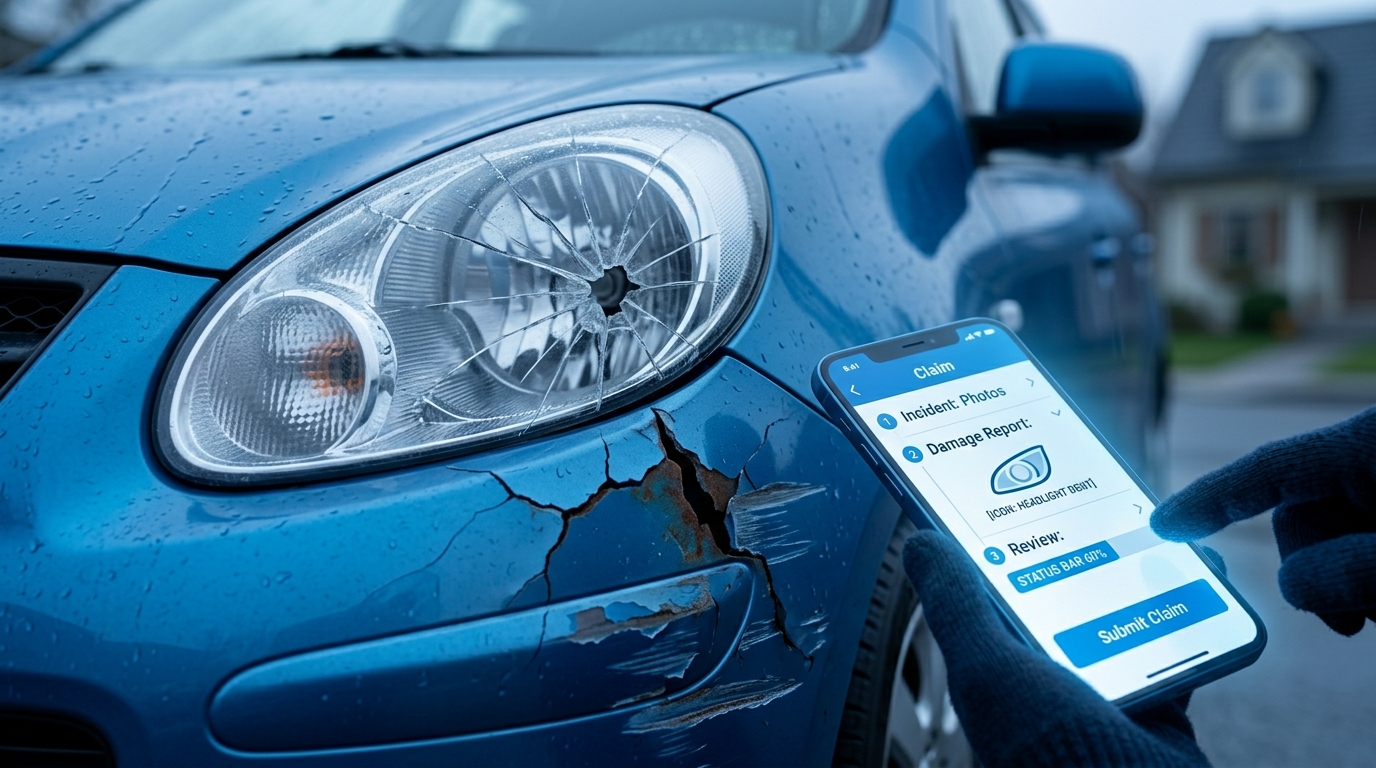
Filing a claim can be a stressful experience, but knowing the steps can help you navigate it smoothly. Immediately following an accident, your priority is safety. Once everyone is safe and the police have been called, document everything. Take photos of the damage to all vehicles, the surrounding area, and any relevant road signs or traffic lights. Exchange information with the other driver, but avoid admitting fault or discussing the details of the accident with them.
Once you report the claim to your insurer, an adjuster will be assigned to your case. They will review the evidence, inspect the vehicle damage, and determine the payout based on your policy's terms. If your car is repairable, the insurer may recommend a preferred body shop. If the cost of repairs exceeds a certain percentage of the car's value (usually 70-80%), the car will be declared a "total loss," and you will receive a check for its actual cash value.
Throughout this process, communication is key—keep detailed records of all conversations and correspondence with your insurance company. Be prepared for a potential rate increase following an at-fault accident, though some policies offer "accident forgiveness" for your first incident. Understanding the timeline and expectations can significantly reduce the anxiety associated with post-accident recovery.
The Gig Economy and Car Insurance
With the rise of Uber, Lyft, DoorDash, and other delivery services, many drivers are unknowingly operating in a "coverage gap." Standard personal auto policies typically exclude coverage for commercial activities. If you use your car for work without a commercial rider or specific rideshare insurance, your insurer can deny your claim in the event of an accident.
The Three Phases of Ridesharing:
- Phase 1: App On, No Request: Limited coverage provided by the rideshare company; your personal insurance may not apply. This is often where the biggest risk lies.
- Phase 2: Request Accepted, En Route: The rideshare company's full liability coverage kicks in, but collision coverage may still be limited or require a high deductible.
- Phase 3: Passenger in Vehicle: Full commercial coverage is usually active, providing the highest level of protection during the trip.
Recommendation: If you drive for a gig service, always notify your insurer and consider a rideshare endorsement to ensure seamless protection across all phases of your work.
Understanding the Fine Print: Exclusions and Limitations
Every insurance policy contains a list of exclusions—scenarios where coverage does not apply. Common exclusions include intentional damage, racing, and using the vehicle for business purposes without proper endorsement. Additionally, standard policies typically do not cover wear and tear, mechanical breakdowns, or damage caused by nuclear war or civil unrest.
Limitations are also crucial to understand. For instance, your policy might have a limit on the amount it will pay for personal property stolen from your car, or it might exclude coverage for drivers who live in your household but aren't listed on the policy. Reading your "Dec Page" (Declarations Page) and the full policy jacket is the only way to ensure you aren't surprised when you need your insurance the most. Ignorance of these clauses is not a valid defense when a claim is denied.
Car Insurance for Different Life Stages
Your insurance needs change as you move through life. For a teenager or young adult, the focus is often on high premiums and finding ways to prove safety. Parents with young children might prioritize high liability limits and vehicles with top safety ratings. As you enter middle age, you might find that your rates stabilize, allowing you to invest in better coverage or lower deductibles.
Retirees and seniors often see their rates change again. While years of experience are a plus, some insurers may view older drivers as higher risk. However, seniors can often take advantage of "low-mileage" discounts since they are no longer commuting to work. Each stage requires a fresh look at your policy to ensure it reflects your current lifestyle and financial reality.
The Environmental Impact: Green Car Discounts
As the world shifts toward sustainable transportation, insurance companies are following suit. Many insurers now offer "Green Car Discounts" for owners of hybrid or fully electric vehicles (EVs). These discounts are intended to reward environmentally conscious choices and often reflect the fact that EV owners are statistically less likely to be involved in certain types of accidents.
However, it's worth noting that while you might save on premiums, the cost to insure an EV can sometimes be higher due to the expensive battery technology and specialized repair requirements. Always compare the total cost of ownership, including insurance, when switching to a greener vehicle. The industry is still adjusting to the long-term data of EV safety and repairability.
Looking Ahead: The Future of Auto Insurance
The auto insurance landscape is on the brink of a revolution. As Advanced Driver Assistance Systems (ADAS) like automatic braking and lane-keeping become standard, the frequency of accidents is expected to drop significantly. However, the cost of repairing these sensor-laden vehicles is skyrocketing. A simple fender bender that once cost $500 can now cost $5,000 if it damages a radar or camera system.
Furthermore, the advent of fully autonomous vehicles will shift the liability focus from the driver to the manufacturer and the software developer. We are also seeing a shift toward more granular, real-time risk assessment, where your premium could change based on the specific route you take or the weather conditions you choose to drive in. In this changing world, staying informed and flexible with your coverage will be more important than ever.
Conclusion: Your Roadmap to Better Protection
Car insurance is not a static purchase—it is a dynamic part of your financial life that should evolve as you do. By understanding the core coverages, leveraging technology to save money, and staying aware of the risks inherent in the gig economy, you can transform your insurance policy from a burden into a powerful asset. Remember, the goal of Compare Experts is to provide you with the transparency and knowledge needed to make these decisions with confidence.
Don't wait for a crisis to discover the limits of your policy. Take the time today to review your coverage, ask the hard questions of your agent, and ensure that your journey—wherever it may lead—is protected by a robust and intelligent insurance strategy. Your financial peace of mind is worth every moment of research. With over 2000 words of insight provided here, you now have the foundation to navigate the complex world of auto insurance like a true expert.
Sources & References
This guide draws on information from the following authoritative sources:
- National Association of Insurance Commissioners (NAIC) — Insurance regulation & consumer resources
- National Highway Traffic Safety Administration (NHTSA) — Vehicle safety, crash data & regulations
- Insurance Information Institute (Triple-I) — Insurance industry statistics & research
- Federal Trade Commission — Auto Insurance — Consumer guidance on auto insurance
- Consumer Financial Protection Bureau (CFPB) — Consumer financial protection & rights
About the Author
Senior Insurance Analyst
Auto & Commercial Insurance
Marcus has 12 years of experience in auto and commercial insurance underwriting, having worked with leading insurers across the US and UK. He specialises in policy comparison and risk assessment.
View full profile →Continue Reading
Explore more expert guides in our blog for insurance, legal, and finance advice.
Browse All ArticlesRelated Articles
The Health Coverage Playbook: Deciphering Modern Medical Plans and the ACA
Comprehensive guide to HMOs, PPOs, HDHPs, and how to choose the right healthcare for your family.
The Legacy Shield: Mastering Life Insurance to Secure Your Family's Future
Understand the difference between term and permanent life insurance and how to calculate your needs.